Kojic Acid Rivals Hydroquinone as Natural Brightening Agent
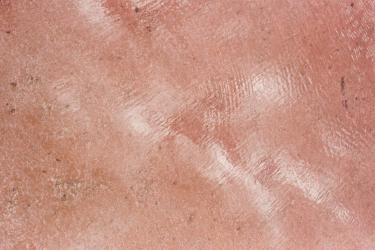
Last summer, I stood in front of my bathroom mirror, tracing the dark patches that had bloomed across my cheekbones after a beach vacation gone wrong. Melasma, my dermatologist called it. She mentioned hydroquinone as the gold standard treatment, then paused. “But there’s something else we should talk about first.
That something else was kojic acid. And honestly? It changed everything I thought I knew about treating hyperpigmentation.
My Complicated History with Skin Brightening
I’d tried hydroquinone before - twice, actually. The first time, my skin peeled so badly I looked like I was recovering from a sunburn for three weeks straight. The second attempt went better initially, until I developed this weird grayish discoloration that my derm called ochronosis. Turns out, using hydroquinone for extended periods can actually darken your skin in some cases. That irony wasn’t lost on me.
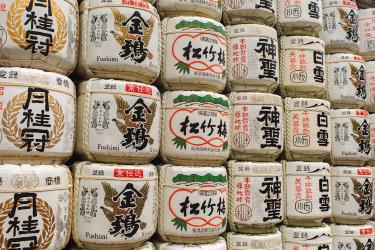
So when Dr. Patel mentioned kojic acid-a compound derived from fungi, specifically from the fermentation process used to make sake-I was skeptical. Natural alternatives had always felt like the consolation prize. Nice idea, minimal results. But she showed me some recent studies, and the numbers were surprising.
One clinical trial found kojic acid performed comparably to hydroquinone at 2% concentration for treating melasma, with significantly fewer side effects. Another study showed it inhibited tyrosinase-the enzyme responsible for melanin production-nearly as effectively as the synthetic option.
How Kojic Acid Actually Works
Here’s the deal with melanin inhibitors: they all target the same basic pathway, but they do it differently. Hydroquinone is aggressive. It doesn’t just slow down melanin production; it can actually damage melanocytes, the cells that produce pigment. That’s why it works so fast. It’s also why you can’t use it indefinitely without risking those scary side effects I experienced.
Kojic acid takes a gentler approach. It binds to copper in the tyrosinase enzyme, essentially deactivating it without destroying the cells themselves. Think of it like unplugging a machine versus smashing it with a hammer. Both stop the machine from running, but one leaves you with options.
The compound was first discovered in Japan in 1989. For decades, it stayed relatively obscure outside of Asian skincare markets. American dermatology remained fixated on hydroquinone, partly because the research was there and partly because-let’s be honest-the pharmaceutical industry had little incentive to promote a naturally-derived alternative they couldn’t patent.
That’s changing now.
What the Research Actually Shows
I spent way too many hours reading clinical studies last fall. Not because I’m particularly scientific, but because I needed to convince myself this wasn’t just another skincare fad.
A 2021 systematic review looked at 23 separate studies on kojic acid for hyperpigmentation. The verdict - it works. Not as quickly as hydroquinone-we’re talking 8-12 weeks versus 4-6 weeks for noticeable results. But the improvement rates were comparable in the long run, and the side effect profiles weren’t even close.
Hydroquinone users reported irritation, redness, and peeling in about 45% of cases. Kojic acid users? Around 12%, and most of those were mild.
Dr. Loretta Ciraldo, a Miami-based dermatologist I follow, recently published data showing that kojic acid combined with niacinamide actually outperformed hydroquinone alone for certain types of post-inflammatory hyperpigmentation. Her theory is that the combination addresses both melanin production and transfer, while hydroquinone only tackles the first part.
My Personal Protocol
I started using a 2% kojic acid serum in September. Applied it every other night initially, then moved to nightly after my skin adjusted. The texture took some getting used to-slightly tacky, with this faint sake-like smell that fades after a few minutes.
Weeks one through three: nothing - absolutely nothing. I photographed my face every Sunday morning in the same lighting, and I couldn’t detect any change. Almost gave up.
Week four: the edges of my darkest patches started looking… softer? Not lighter exactly, but less defined. Like someone had smudged the borders with their thumb.
Week eight: actual visible fading. My husband noticed before I did. “Your face looks more even,” he said one morning. Not eloquent, but accurate.
By week twelve, my melasma was maybe 60% improved. Not gone-I don’t think anything short of laser treatment would eliminate it completely-but genuinely, noticeably better. I could go out with just tinted moisturizer instead of the full-coverage foundation I’d been relying on.
The Limitations Nobody Talks About
Kojic acid isn’t perfect. Let me be clear about that.
First, stability is a real issue. The compound oxidizes when exposed to air and light, which means that pretty jar packaging you see at Sephora might be rendering your product useless. Look for airless pumps and opaque packaging. If your kojic acid serum has turned brown, toss it.
Second, sun sensitivity is significant. Possibly even more than with hydroquinone. I learned this the hard way during a February ski trip-got mild hyperpigmentation on my forehead from sun reflection off the snow. Now I’m religious about SPF 50 and reapplication.
Third, some people do experience irritation, especially at higher concentrations. If your skin barrier is compromised or you’re using other actives like retinoids, proceed carefully. I scaled back my tretinoin to twice weekly when I introduced kojic acid, then gradually increased both as my skin adapted.
And fourth-and this is important-kojic acid won’t work for everyone. Deeper melasma that involves the dermis (rather than just the epidermis) responds poorly to topical treatments in general. If your hyperpigmentation developed during pregnancy or from hormonal birth control, addressing the underlying cause matters more than any cream.
Why Dermatologists Are Coming Around
I asked Dr. Patel why she hadn’t recommended kojic acid to me years earlier. Her answer was honest: “The research wasn’t as strong then, and we’re trained to go with what’s proven.
But the area is shifting. The American Academy of Dermatology’s 2024 guidelines now list kojic acid as a first-line treatment option for mild to moderate hyperpigmentation, alongside hydroquinone rather than as an afterthought alternative. Insurance companies are even starting to cover prescription-strength kojic acid formulations in some states.
Part of this shift is scientific-better studies, more data, longer follow-up periods. But part of it is also patient-driven. People like me who had bad experiences with conventional treatments and went looking for something gentler. Dermatologists listen when enough patients ask the same questions.
What I Wish I’d Known Earlier
Looking back, I wasted years on treatments that were too harsh for my particular skin. My Mediterranean heritage means I produce melanin easily-great for avoiding sunburns, less great for hyperpigmentation. Aggressive treatments triggered more inflammation, which triggered more pigment production. A vicious cycle.
Kojic acid broke that cycle because it worked without attacking my skin. Slow and steady, as boring as that sounds.
If you’re considering making the switch-or just starting your hyperpigmentation treatment journey-here’s what I’d suggest:
Start with a 1-2% concentration - higher isn’t always better. Give it three months before judging. Six is even better. Pair it with vitamin C in the morning and niacinamide at night for synergistic effects. Never, ever skip sunscreen. And take progress photos, because the changes are gradual enough that you won’t notice them day-to-day.
This past summer, I went back to that same beach where my melasma first appeared. SPF 50, reapplied every two hours, wide-brimmed hat. My skin survived the week without a single new dark spot forming.
That felt like victory.